

What type of flexible conduit is best?
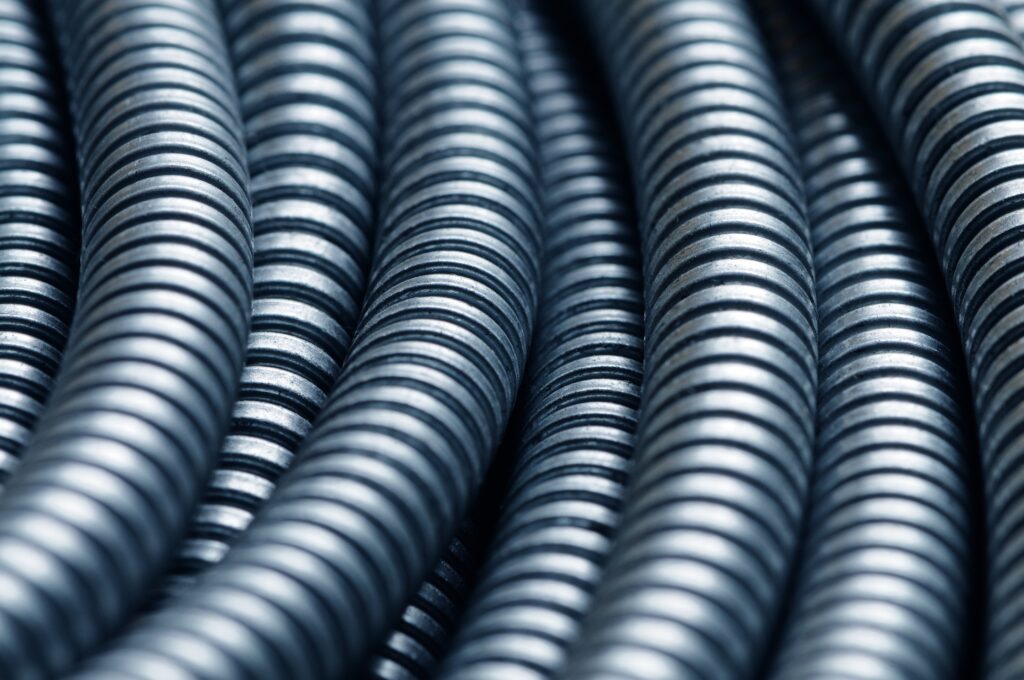
What type of flexible conduit is best? https://flex-it.co.uk/wp-content/uploads/2021/10/corrugated-metal-flexible-conduit-in-extreme-close-2026-03-18-04-39-49-utc-1024x680.jpg 1024 680 Flex-It Co. Uk - Flexible Conduit Systems & Wiring Accessories https://flex-it.co.uk/wp-content/uploads/2021/10/corrugated-metal-flexible-conduit-in-extreme-close-2026-03-18-04-39-49-utc-1024x680.jpgFlexible conduits provide an inherent mechanical barrier for vulnerable electrical cables, wiring, fibre optics, and accessories. Without an effective form of cable management, they will be exposed to external elements and are at serious risk of wear and tear.
Flexible, rigid, metallic, non-metallic, split, solid – these are all types of conduit that come with their own unique features and benefits for specific installations.
As a specialist supplier of metallic and plastic conduit systems, we’re confident that you’ll find the flexible conduit products you need to protect and contain electrical cables here at Flex It.
But the question is – which is best for your application? In this guide, our experts walk you through the different types of conduits, their uses, and how they could benefit your project.
Metallic vs. Non-Metallic Flexible Conduits
Flexible conduits can be made from composite metal or plastic. Both types are designed to provide the same level of protection as rigid conduits and are typically used in installations where flexibility is required for connections.
They come in handy where electrical cables may be subjected to shock and vibration, and they provide easy routing of cables around obstructions.
There are three key differences between the two: material, cost, and durability. Metal conduits are generally more expensive than their non-metallic counterparts, but they offer heightened protection from extreme temperatures, fires and other harsh conditions.
Made from stronger materials, like stainless steel, metallic conduits are much more durable and have a longer lifespan than non-metallic alternatives.
If you need something that bends easily around tight corners, or that resists corrosion, a non-metallic alternative is usually the better choice. This is because metal isn’t the most flexible and is susceptible to corrosion in wet (or otherwise moist) conditions.
Pros of metal conduits
Flexible metal conduits (FMC) have a spiral construction that makes them easier to snake through walls and other structures. They are simple to install and can be twisted and turned without any additional hardware or specialist tools. Ideal for areas where rigid conduits prove difficult to install.
Suitable for dry indoor locations, flexible metal conduits protect electrical wiring in commercial and industrial buildings and are a brilliant choice for vibrating machinery like heating and cooling units.
Liquid-tight metallic conduits (LFMC) – a special type of FMC – have a waterproof plastic coating which makes them perfect for outdoor use.
Other benefits of metallic conduits include:
- Durability (will last for many years with proper care).
- Made from recyclable materials, such as galvanised or stainless steel, making them the most environmentally friendly option.
- Can withstand extreme temperatures and harsh operating environments.
- Made from non-combustible materials, ideal for fire safety applications.
- Easy to fabricate, making them well-suited to projects that require custom sizes.
Cons of metal conduits
Flexible metal conduits are designed for use where flexibility is required due to movement or vibration, or where bends and offsets make installation tricky. It’s not intended for use in wet locations, unless conductors are specially approved for the conditions.
Beyond short runs, for wiring outdoor air conditioning, and wiring under kitchen sinks, the use of liquid-tight metallic conduits in residential settings is fairly limited.
Metal conduits, particularly steel braided types, are more expensive than other types of conduit systems.
Pros of non-metallic conduits
Non-metallic conduits are typically less expensive than metallic options and are made from PVC (polyvinyl chloride), PA6 nylon, or polypropylene.
PVC is a high-strength thermoplastic that’s extremely durable, resistant to weathering and chemicals, and doesn’t conduct electricity. It protects cables against punctures, cuts, and other damage, preventing electrical faults further down the line.
It’s one of the most popular non-metallic conduit materials for domestic use, since it stops water from seeping through walls while remaining an economical choice.
Cons of non-metallic conduits
One of the most notable disadvantages of PVC conduits, compared to metallic flexible conduits, is their physical weakness. PVC can break when exposed to physical stress, and needs additional support when installed in longer cable runs to prevent sagging.
Non-metallic conduits are an economical choice and work well for cables run below ground or in areas exposed to dust and water. But for basements or garages, metal conduits are usually the better option, since they offer extra protection from rats, mice, and other impacts.
Types of Metallic Conduits
There are several types of metallic conduit available, each suited to slightly different environments and levels of protection:
- C-Series – PVC Covered Steel Range
Our PVC covered steel range is designed to provide high mechanical protection and is best suited to highly corrosive environments. Whether your project is above or below ground, PVC covered steel conduits make the perfect choice for any commercial or industrial area.
They’re extremely durable, especially in wet and rainy conditions, and great at preventing your electrical sockets from overheating and causing fires.
- C-Series – LSOH Covered Steel Range
Our Low Smoke Zero Halogen covered steel or LSOH range also provides high mechanical protection, but is specifically recommended for public areas where poor ventilation and public safety are a concern – think train stations, airports, shopping centres, and lifts.
A unique vacuum extrusion process gives this range a thin TPU (thermoplastic polyurethane) jacket, which doesn’t restrict the flexibility of the inner steel core and adds a degree of weatherproofing.
- D-Series – Liquid Tight Metallic Range
A liquid-tight conduit is a type of metallic flexible conduit designed to provide extra protection against corrosion and water penetration. Made from hot-dipped galvanised steel and coated in PVC, it’s stronger and less vulnerable to damage than most other flexible conduit types.
Our D-series range is available in two types – EF and LA – both rated IP67 liquid-tight, flame retardant, and sunlight, UV, and oil-resistant. They’re ideal for the most demanding applications, including lighting, air conditioning systems, and fire alarm systems.
- F-Series – Steel Overbraided Range
Wherever tight-spot installations and high protection are required, our Steel Overbraided range is a strong choice due to its high mechanical strength with resistance to traction, torsion, and compression.
These conduits are well-suited to many different applications, from welding equipment and metal machinery to transport and security systems. The overbraiding provides efficient EMC screening, making them a good fit for use within hazardous areas including defence, food, and healthcare environments.
- SS-Series – Stainless Steel (304) Range
Stainless steel conduits are especially useful as casing for cables that require both mechanical and chemical protection. The grade 304 steel we use is highly durable and provides excellent levels of corrosion protection, while also acting as armour against impacts or accidental crushing.
They can also withstand extreme temperatures and have been tested at lows of -45°C and highs of +450°C – making them ideal for the most challenging environments.
Where are flexible conduits used?
Metallic conduits are designed to provide excellent protection from the elements and can withstand extreme temperatures, fires, and other adverse conditions. This makes them an excellent choice for the most demanding commercial and industrial projects, like lighting applications, underfloor heating systems, and other high-temperature installations.
If you need something waterproof to shield your cables from excess moisture, a non-metallic alternative or a PVC-coated liquid-tight metallic conduit is usually a better fit.
Non-metallic conduits are incredibly versatile and provide a reliable cable management solution for several indoor and outdoor applications. Typical uses include ground burial, HVAC (heating, ventilation, and air conditioning) units, pools, and spas.
What to consider when choosing a flexible conduit:
- Environment and exposure – Will the conduit be exposed to water, chemicals, extremely high or low temperatures, or physical impact? This narrows down metallic vs non-metallic, and which sub-type within each is best for the operating conditions.
- Regulations – Always check the relevant regional wiring regulations and NEC (National Electrical Code) rules regarding the length and use of flexible conduit systems, alongside your wiring plans, to ensure full health and safety compliance.
- Fire resistance – Electrical wires can heat up quickly, especially with devices in use all day, so conduits need to be fire-resistant. Both stainless steel and PVC/PA6 conduits are manufactured to high standards, though many opt for stainless steel in the most demanding fire safety applications.
- Budget –Non-metallic conduits are generally the more cost-effective option, while metallic conduits cost more upfront but offer a longer lifespan and greater durability.
Which flexible conduit will you choose?
Unsure which flexible conduit is best for you? Need an expert opinion? The team here at Flex It is always on hand to assist and will be more than happy to guide and advise you.
Of course, the type of conduit you need will depend on the installation and environment where cables will be routed. However, we will take into consideration your specific requirements and budget before recommending a suitable size and type.
If you would like to learn more about the flexible conduits we stock, don’t hesitate to get in touch. Either call 01530 812 195 or email sales@flex-it.co.uk, and we’ll get back to you as soon as possible.
The Best Type of Flexible Conduit: FAQs
The type of conduit you need largely depends on the environment your cables will be routed through.
Let’s say, for example, that you need a flexible conduit system for a wastewater treatment facility. A non-metallic plastic conduit – like our PVC spiral reinforced conduits – will be ideal in this situation, because it won’t corrode when it comes into contact with water and will provide the same level of protection for your cables as any of our metallic conduits.
If you need something a little stronger for a more extreme environment, then a metallic conduit is probably your best bet.
Not sure which conduit is best for your project? The Flex-It team is here to help! Get in touch with us today for further technical advice.
The price you’ll pay for flexible conduits depends, of course, on which conduits you need – including the type, size, and quantity your project requires.
Here at Flex-It, we’re proud to be able to offer some of the most competitive prices around, but this isn’t to say that we make any compromises on the quality of our products.
If you have any queries regarding any of our products or pricing, don’t hesitate to contact our specialists. Give us a call today, or send us an email and we’ll get back to you as soon as we can.
Purchasing our conduits is easy! Jot down the product number(s) and either give us a call on 01530 812 195 or hit the ‘enquire now’ button to the right of your screen.
It’s important to note that we can’t be responsible for ensuring the accuracy of your order specification, and therefore can’t accept liability for goods that are incorrectly ordered – so make sure that you’ve provided us with the correct product codes.
All orders placed before 2:30 pm Monday to Friday will be dispatched the same day (subject to availability), with your conduits delivered directly to your doorstep the next working day!
If you have any queries or concerns regarding your order, don’t hesitate to get in touch with our friendly team and we’ll do everything we can to help.
Here at Flex-It, we’re one of the UK’s leading suppliers of flexible conduit and cable management systems.
As an independent family-run business established in 1995, we’re immensely proud of the reputation we’ve built for ourselves. We have worked with many high-profile businesses over the years, including Showcase Cinemas, McDonald’s, and The National Portrait Gallery.
Why not join them in becoming one of our many satisfied customers? No matter the type of conduit you’re after, whether it be metallic or non-metallic, we’re confident you’ll find it with us.
To find out more about our fantastic range of flexible conduits or to place an order, give us a call or send us a message via email for a speedy response.